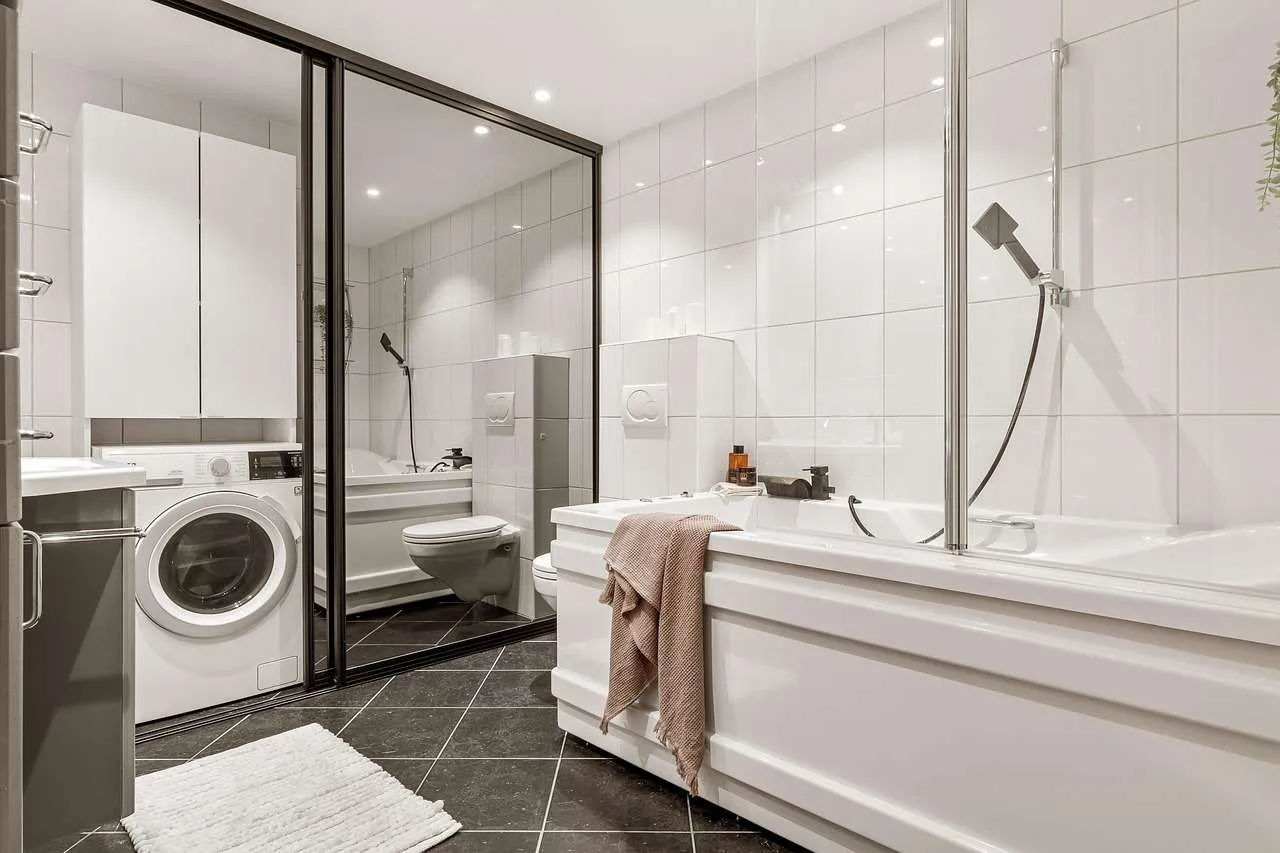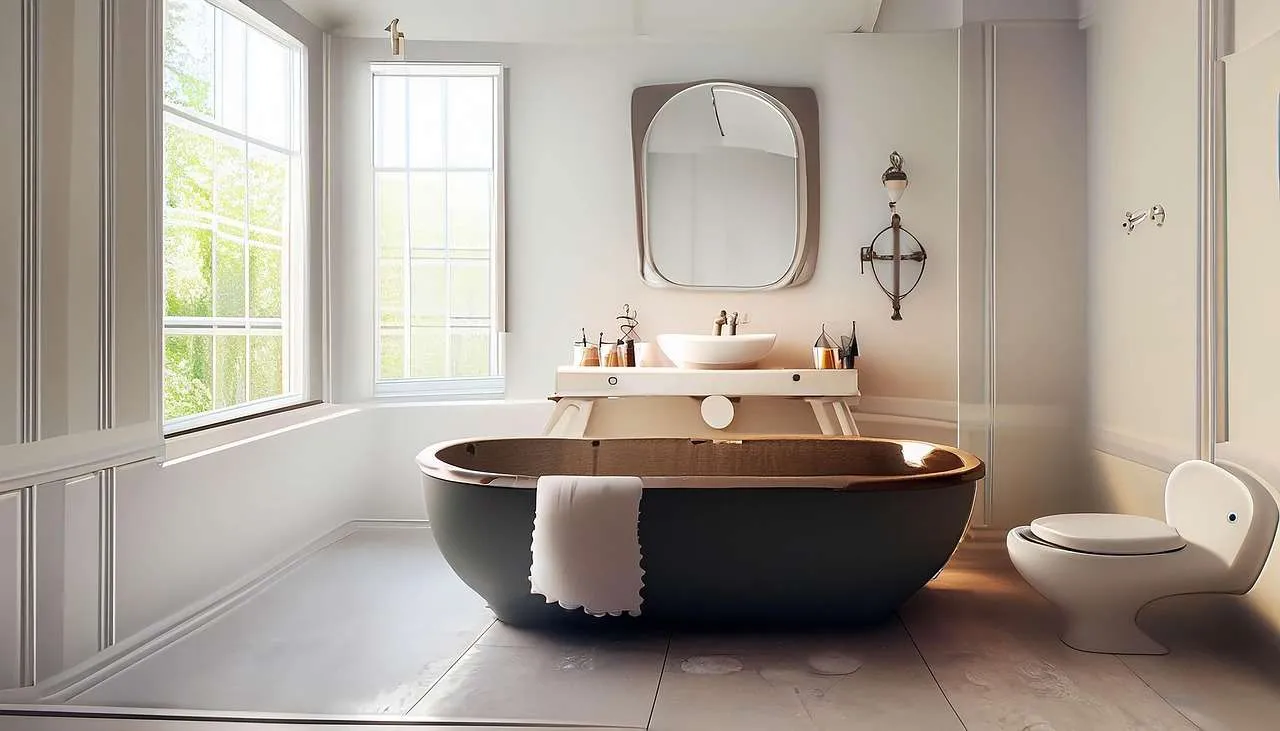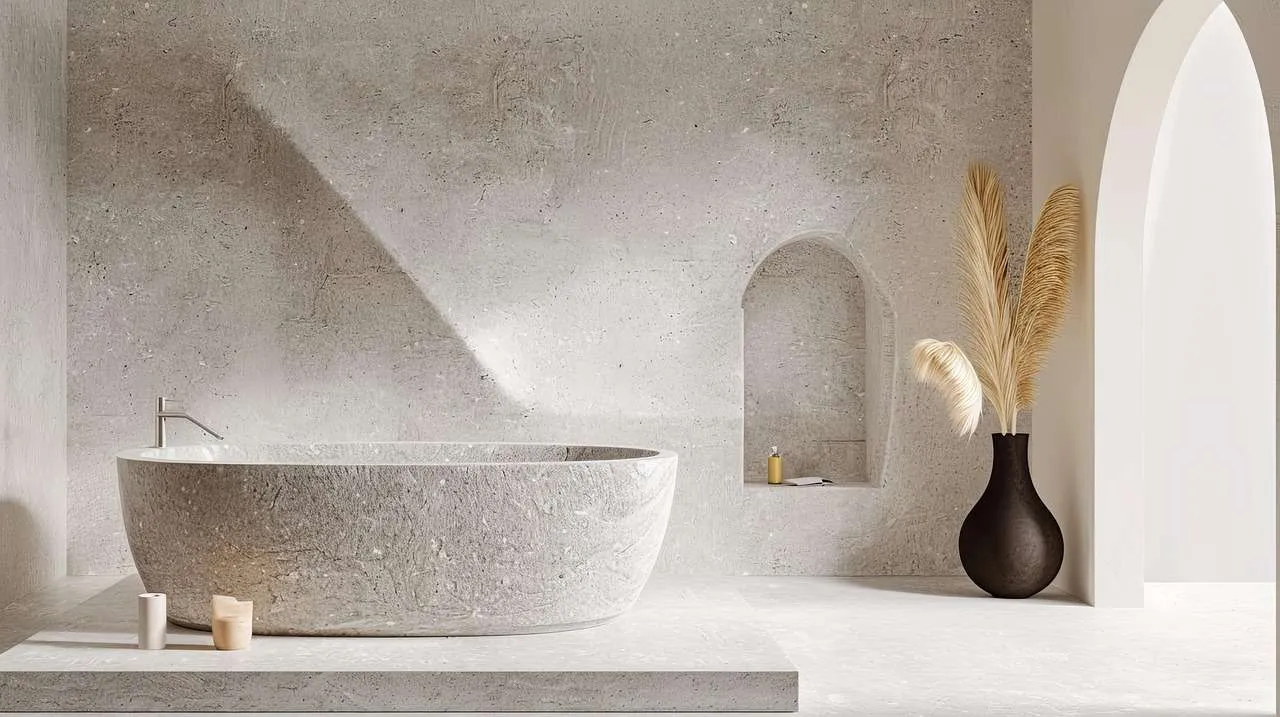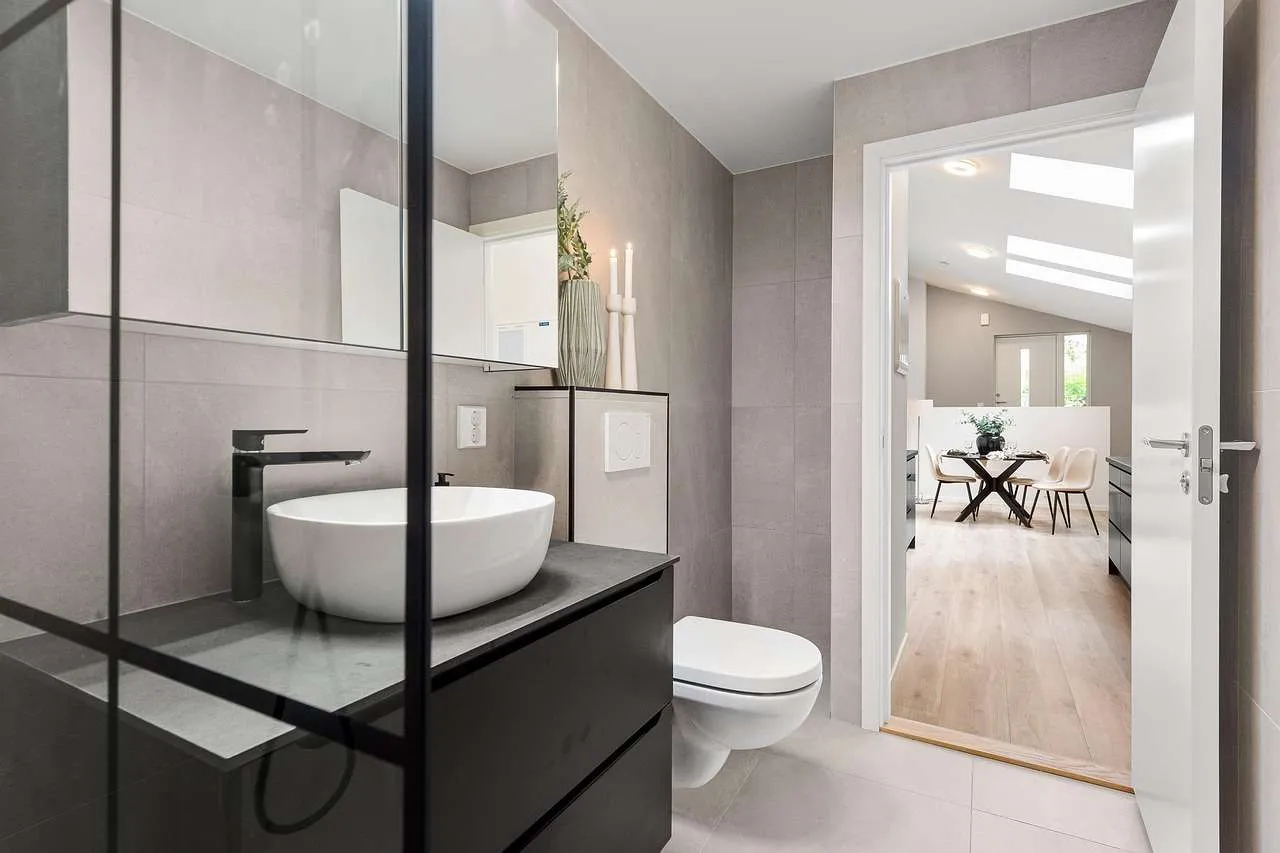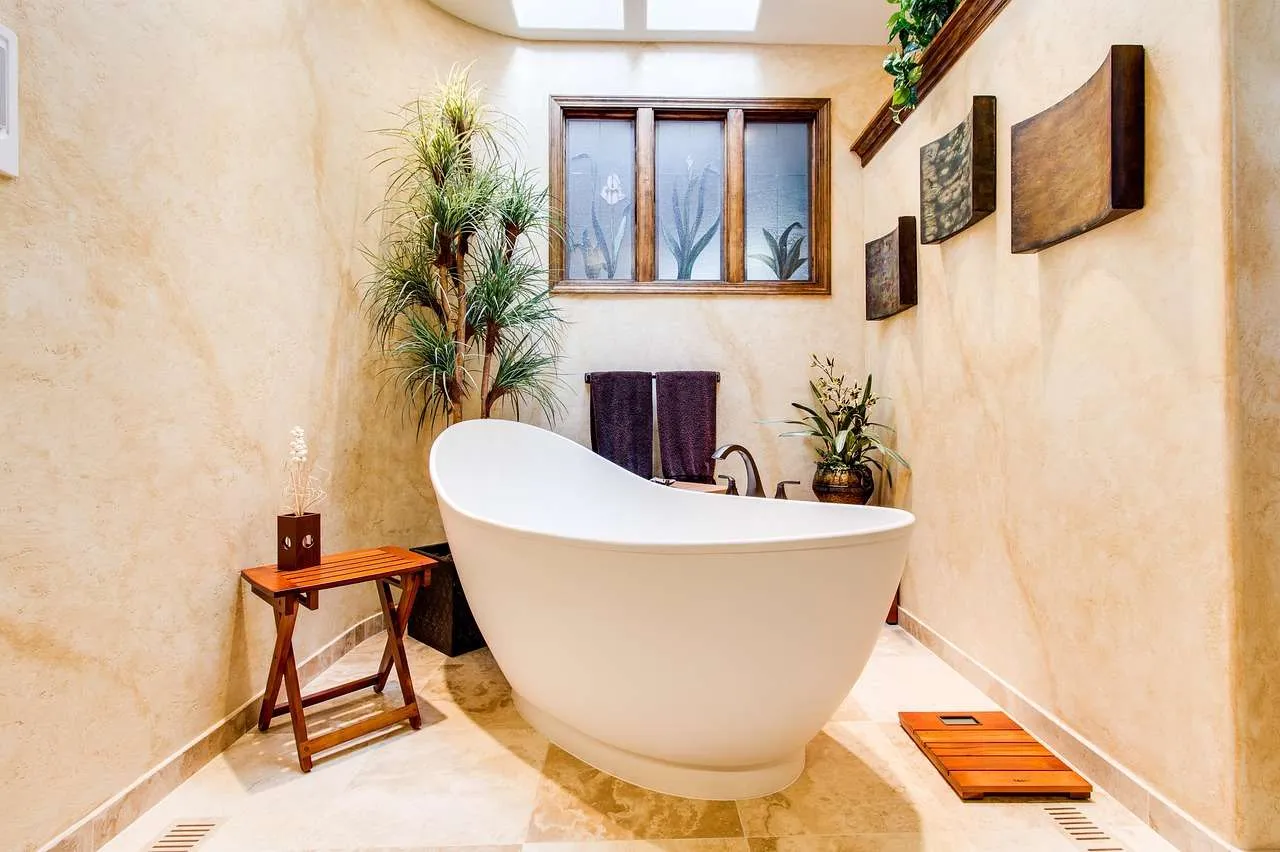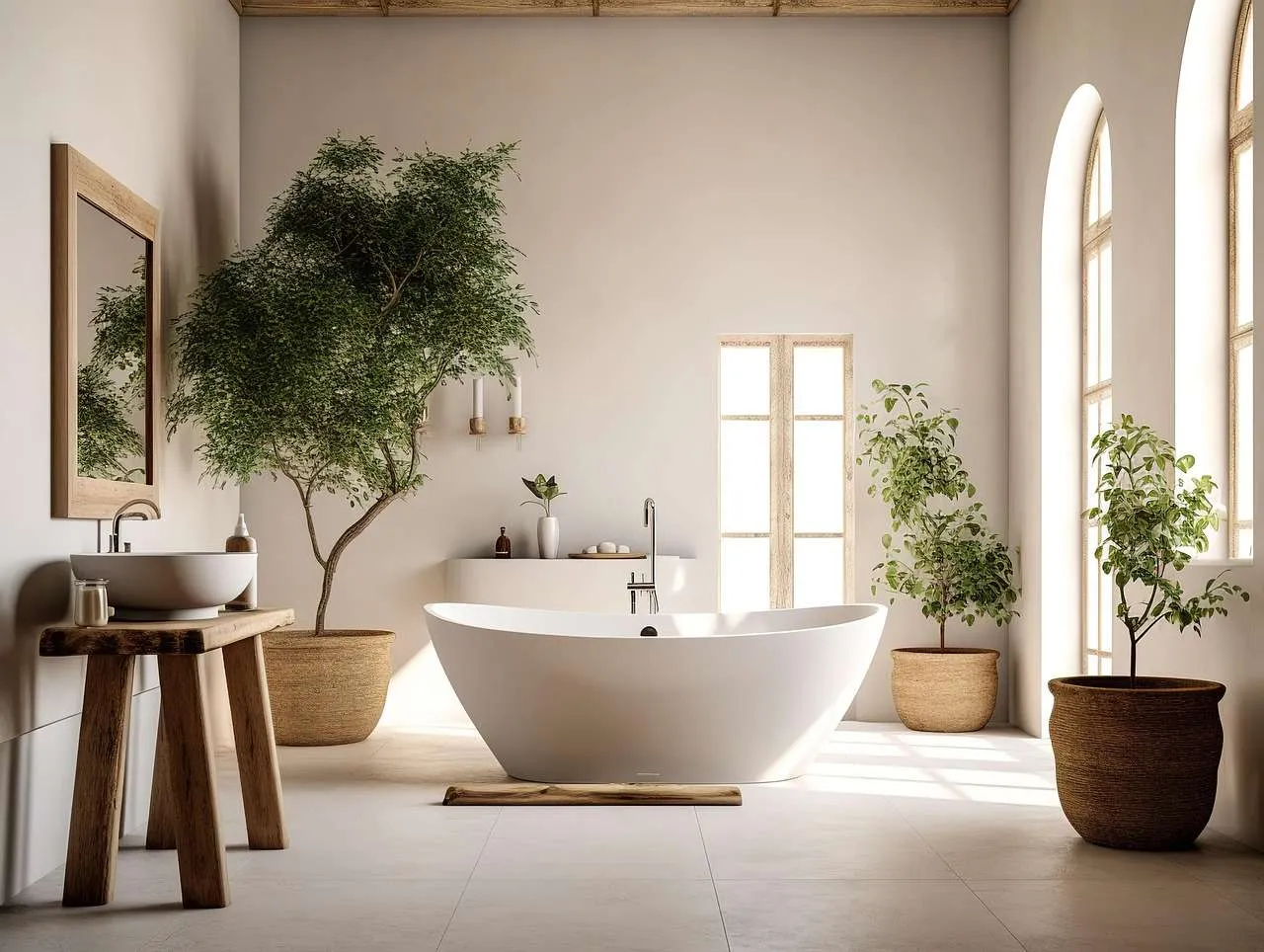
Bathroom tile defines both the look and the lifespan of a wet room. A well chosen tile not only enhances style but also resists moisture, stains, and daily wear. As a rule of thumb, go for materials with proven moisture resistance, a proper substrate, and a durable finish. In this guide we cover materials, layout ideas, installation basics, maintenance, and value, with practical tips from professional installers and designers.
Choosing the Right Bathroom Tile
Material options
Ceramic tiles are versatile and budget friendly. Porcelain tiles offer higher density and better water resistance, making them a popular choice for showers and floors. Natural stone tiles such as marble or slate bring character but require more sealing and care. Glass tiles can brighten a space, but may show water spots and require careful cleaning. Consider the room usage, climate, and maintenance you want when selecting material, and think about slip resistance for floors and ease of cleaning for walls.
Water resistance and durability
In bathrooms, water resistance matters most in the shower surround and floor. Porcelain and glazed ceramic tiles are rated for damp environments; unglazed clay or soft natural stone may require sealing and more upkeep. Always use a proper waterproof membrane under tile and choose a grout system that resists cracking and mildew. For high humidity baths and steam showers, pick tiles with low porosity and opt for epoxy grout in wet zones to minimize staining.
Finish and texture
Matte finishes hide minor imperfections and are less slippery when dry, while gloss finishes reflect light and are easier to wipe clean. Textured surfaces add grip in shower floors but may trap soap scum; balanced selection reduces maintenance. For walls, a lighter glossy tile can brighten the space, while a textured accent adds depth when used sparingly.
Design and Layout
Size options and patterns
Tile size affects the perception of space. Large format tiles can make small bathrooms feel bigger, while small mosaic accents add detail. For a timeless look, pair a neutral field tile with a simple border or a decorative accent in a different color or texture. Diagonal or herringbone layouts can create visual interest without overwhelming the space, and vertical stacking can elongate a room.
Grout color and pattern
Grout can change the tile appearance dramatically. Light grout brightens a space, but it shows stains more readily. Dark grout hides discoloration but can make joints look heavier. Pattern ideas include herringbone for rectangles or a classic checkerboard using two contrasting colors. Sealed epoxy grout is ideal in shower areas for stain resistance.
Installation Considerations
Prep and moisture barriers
Professional installation requires a stable substrate, proper backer board, and a waterproof membrane. Skipping these steps can lead to cracks, leaks, and mold. A quality thinset and correctly spaced joints ensure longevity and easier maintenance. For floors, ensure correct slope toward drainage to avoid puddling and use square edge tiles for precise layout in tight spaces.
DIY versus professional
DIY tile projects are feasible for small areas with careful planning, but bathrooms often demand expert leveling, waterproofing, and cutting. For showers and wet zones, hiring a licensed tile contractor reduces risk and can save costs by preventing costly repairs later. Request prior project photos, insurance, and a written warranty to confirm reliability.
Maintenance and Longevity
Cleaning and preventive care
Clean tiles with nonabrasive cleaners and a soft cloth. Seal natural stone and unglazed tiles as recommended by the manufacturer, and refresh grout with a staining protective sealant periodically. Promptly fix chipped tiles and recaulk seals to prevent water intrusion. Use a squeegee after showers to minimize soap scum and mildew buildup, and ventilate bathrooms to reduce humidity.
Cost and Value
Material cost ranges
Expect ceramic tile to be among the most budget friendly options, with porcelain slightly higher but offering superior water resistance. Natural stone and glass tiles carry premium prices and maintenance requirements. Labor is a major portion of the total cost, especially in moisture prone areas.
Tips to maximize value
Plan a cohesive color story, use larger sizes to reduce grout lines, and invest in a good waterproofing system. A balanced combination of durable field tile and a striking accent can raise home value and reduce long term maintenance costs. Choosing a durable grout and professional installation adds to lifespan and resale appeal.
Overview and Quick Comparison
| Material | Water resistance | Durability | Maintenance | Cost |
|---|---|---|---|---|
| Ceramic | Good | Good | Low to moderate | Low |
| Porcelain | Excellent | Excellent | Moderate | Mid |
| Natural stone | Variable | High when sealed | High | High |
| Glass | Excellent | Moderate | High | High |
Selecting tile is a balance of style, function, and care. For a confident outcome, consult a certified contractor for a detailed plan and warranty information. Quality materials paired with proper installation protect your investment for years to come.
Summary The right bathroom tile enhances comfort and resale value when you choose materials that fit the space, plan a layout that minimizes maintenance, and support the installation with proper moisture barriers and professional help when needed. Regular maintenance and periodic sealing keep the tiles and grout looking new, ensuring a durable, beautiful bathroom for years to come.