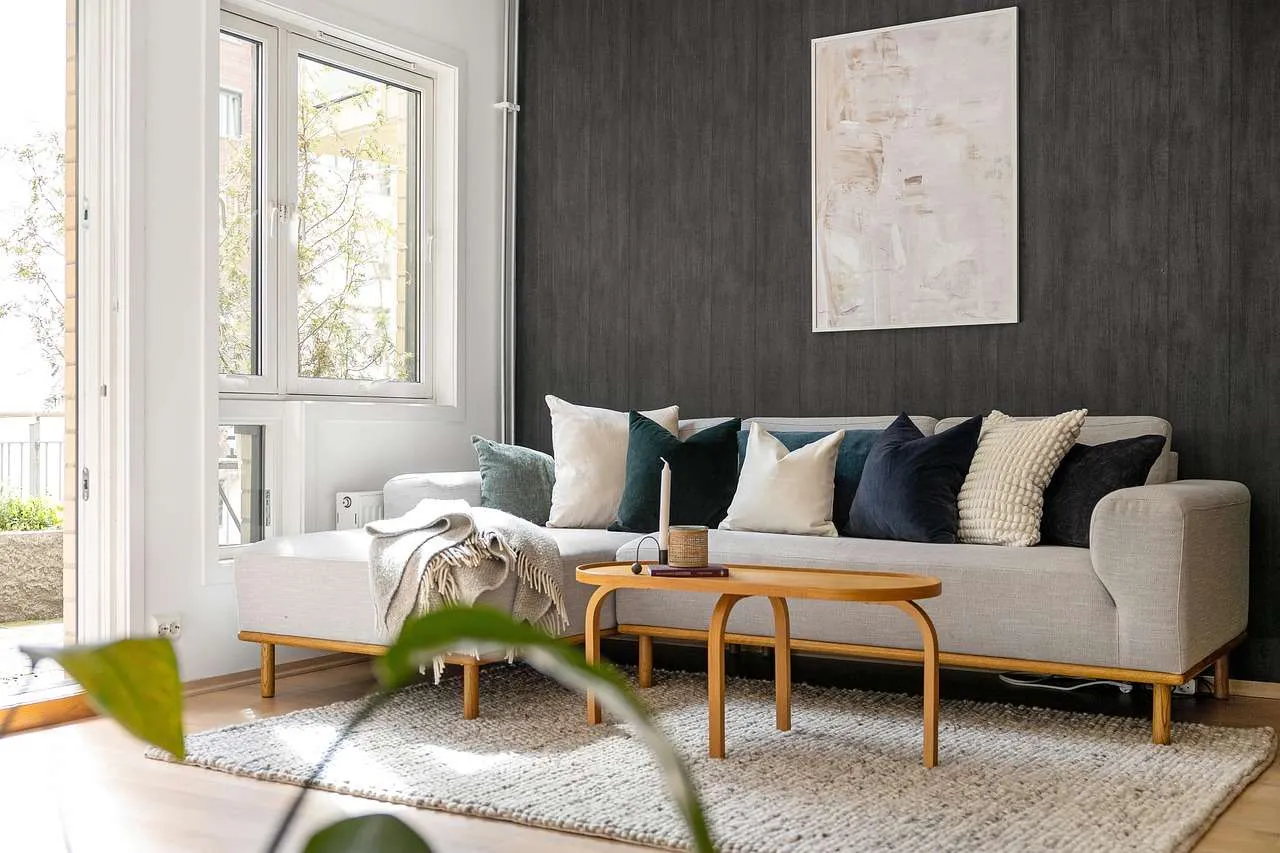
What is Home Window Tint?
Home window tint refers to a thin film applied to glass surfaces to control solar heat, glare, UV exposure, and privacy. This film is typically installed on exterior or interior panes and can dramatically improve comfort, reduce energy use, and protect furnishings from fading. Depending on the product, the film can also strengthen glass against impact or breakage, contributing to home safety.
Types of Home Window Tint
There are several film technologies available, each with distinct performance characteristics:
- Dyed films absorb solar energy to reduce heat and glare but may fade over time.
- Metalized films reflect solar energy and often add strength, but can interfere with some electronics and antennas.
- Ceramic films use nano-ceramic particles for high heat rejection without conductivity, maintaining clear signals for devices.
- Carbon films provide a non-reflective finish with strong UV protection and minimal fading.
- Low-emissivity (Low-E) / spectrally selective films optimize energy savings by balancing visible light and heat control.
Choosing the right film depends on climate, window orientation, and your privacy and aesthetics preferences. A professional installer can help you select a product that aligns with local regulations and warranty conditions.
Benefits of Home Window Tint
Applying home window tint delivers a range of tangible advantages:
- Energy efficiency: Reducing solar heat gain lowers cooling loads in summer and helps stabilize indoor temperatures year-round.
- UV protection: Most films block up to 99% of ultraviolet rays, preserving furnishings, flooring, and artwork.
- Glare reduction: Window tint minimizes daytime glare, improving comfort for work, reading, and entertainment.
- Privacy: Depending on the film, you can enjoy daytime privacy without sacrificing natural light.
- Safety and security: Some films hold glass fragments together if shattered, offering an extra layer of protection.
Beyond comfort, tinting can protect your interior assets and may contribute to higher resale appeal by showcasing a modern, energy-conscious home.
Choosing the Right Film: What to Consider
To select the best home window tint, evaluate these factors:
- Visible Light Transmission (VLT): Lower VLT means darker tint and more heat rejection, but consider local lighting needs and regulations.
- Shade laws and homeowner associations: Some jurisdictions cap the permissible darkness on street-facing windows.
- Durability and warranty: Look for heat-safe adhesives, scratch resistance, and a manufacturer warranty of 5–15 years.
- Maintenance: Ceramic and carbon films tend to be easier to maintain and resist staining over time.
- Impact on devices: If you rely on GPS, Wi‑Fi, or car keys, avoid metalized films that can interfere with signals.
For many homes, a mid-range tinted film with 30–60% VLT offers a balanced blend of heat control, light transmission, and cost-efficiency. Always have the film installed by a certified professional to ensure proper adhesion and longevity.
Costs, ROI, and Budgeting
The installed cost of home window tint varies with window size, film type, and labor. Typical ranges are:
- Per square foot: $5 to $12 installed, depending on film quality and complexity.
- Whole-home project: A typical 1,500–2,000 sq ft home may cost $1,500–$6,000.
- ROI: Energy savings can reduce cooling bills by approximately 5–15% in hot climates, with the potential for longer-term protection against fading of interior surfaces.
While DIY kits exist, professional installation usually yields a more uniform finish, better edge sealing, and a longer lifespan. When evaluating quotes, ask about warranty coverage, removal/reinstallation options, and the installer’s experience with the specific film brand.
Installation Options and Maintenance
Installation may be completed as:
- Professional installation: Ensures a seamless application, less risk of air bubbles, and adherence to warranty terms.
- DIY installation: A feasible option for smaller projects with clear instructions, but may void warranties if not performed correctly.
Maintenance is straightforward: clean with a soft, non-ammonia cleaner and a microfiber cloth. Avoid abrasive tools that could scratch the film. With proper care, most residential films maintain their performance for 10–15 years, depending on climate and exposure.
Comparison of Common Film Types
| Film Type | Heat Rejection | UV Blocking | Glare Reduction | Durability | Typical Cost (per ft²) |
|---|---|---|---|---|---|
| Dyed | Medium | High | Medium | Moderate | $4–$7 |
| Metalized | High | Very High | High | Good | $5–$9 |
| Ceramic | Very High | Excellent | High | Excellent | $8–$12 |
| Carbon | High | Excellent | Medium-High | Very Good | $7–$11 |
Frequently Asked Questions
Is home window tint legal in all areas?
Regulations vary by location. Always verify local laws and HOA guidelines before purchasing a tint to avoid fines or rework.
Does tinting my windows affect insurance or safety features?
Most reputable films do not affect insurance, but it’s wise to confirm with your provider and ensure compatibility with any safety glass or alarms you have installed.
Summary: This article explored what home window tint is, the main film types, benefits, factors to consider when selecting a film, costs and ROI, installation options, maintenance, and a practical comparison table of common film types to help you make an informed choice for a more comfortable, energy-efficient home.
Conclusion, choosing the right home window tint can deliver meaningful energy savings, UV protection, glare reduction, and enhanced privacy. By understanding film types, regulatory considerations, and installation options, homeowners can select a solution that fits their climate, budget, and aesthetic—while protecting interior furnishings and boosting long-term home comfort.